Clay Newberry - Senior User Experience Designer
Free Framer Template
Designing clarity into chaos
(and occasionally renaming a layer or two)
Teams to rely on me to bring clarity when things are ambiguous and keep work moving when decisions are difficult.


More about me
Design, for me, is about clear thinking, good communication, and enjoying the process of figuring things out together. I’m often involved in work that’s foundational to a product’s future, helping teams make decisions that last. I value collaboration, curiosity, and steady progress over perfection.
Outside of work I enjoy being active, traveling, spending time with friends and family. Though, you'll often catch me reading on my couch during my down time.
Commonly Answered Questions
How do you approach designing complex or ambiguous problems?
I start by aligning stakeholders around the core problem, constraints, and desired outcomes before moving into solutions. When ambiguity is high, I focus on creating clarity through shared understanding by mapping workflows and defining decision points early. Many of my projects involve legacy systems or cross-team ownership, so I design in a way that balances forward progress with long-term stability. I prioritize foundations and patterns that multiple teams can build on without friction. Often, my role is less about having the answer and more about guiding the team toward the right one.
How do you approach designing complex or ambiguous problems?
I start by aligning stakeholders around the core problem, constraints, and desired outcomes before moving into solutions. When ambiguity is high, I focus on creating clarity through shared understanding by mapping workflows and defining decision points early. Many of my projects involve legacy systems or cross-team ownership, so I design in a way that balances forward progress with long-term stability. I prioritize foundations and patterns that multiple teams can build on without friction. Often, my role is less about having the answer and more about guiding the team toward the right one.
How do you approach designing complex or ambiguous problems?
I start by aligning stakeholders around the core problem, constraints, and desired outcomes before moving into solutions. When ambiguity is high, I focus on creating clarity through shared understanding by mapping workflows and defining decision points early. Many of my projects involve legacy systems or cross-team ownership, so I design in a way that balances forward progress with long-term stability. I prioritize foundations and patterns that multiple teams can build on without friction. Often, my role is less about having the answer and more about guiding the team toward the right one.
How do you approach designing complex or ambiguous problems?
I start by aligning stakeholders around the core problem, constraints, and desired outcomes before moving into solutions. When ambiguity is high, I focus on creating clarity through shared understanding by mapping workflows and defining decision points early. Many of my projects involve legacy systems or cross-team ownership, so I design in a way that balances forward progress with long-term stability. I prioritize foundations and patterns that multiple teams can build on without friction. Often, my role is less about having the answer and more about guiding the team toward the right one.
How do you balance speed with quality in your design work?
How do you know when a design is successful?
312
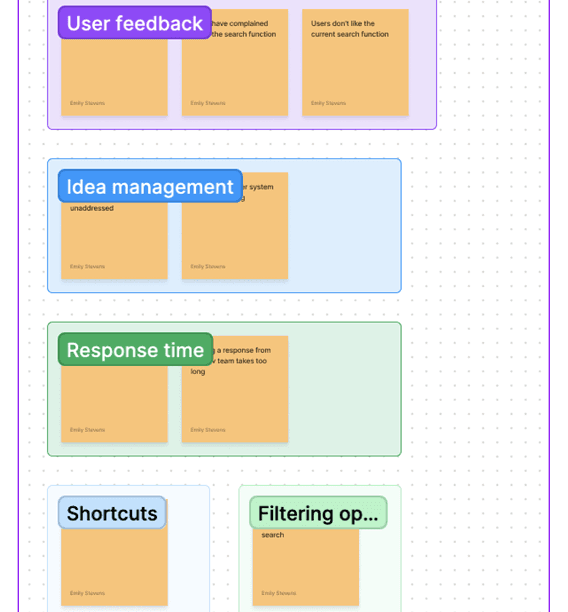
Sticky notes rearranged in Figjam


12
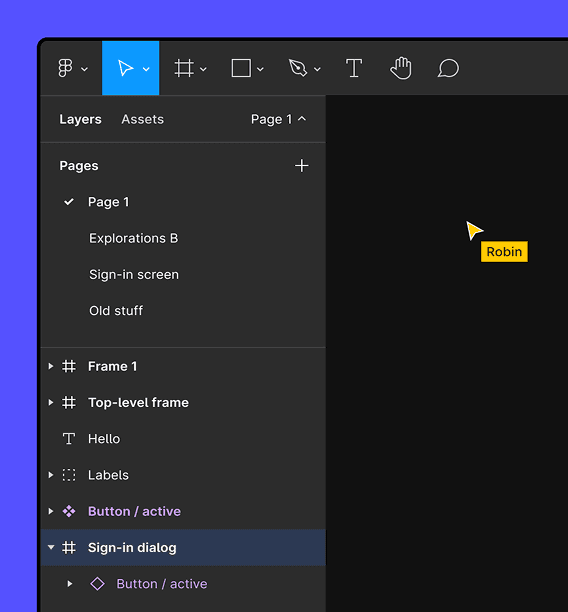
"final_final_v2" files created


92.5
Coffees made to get through the sprint


∞
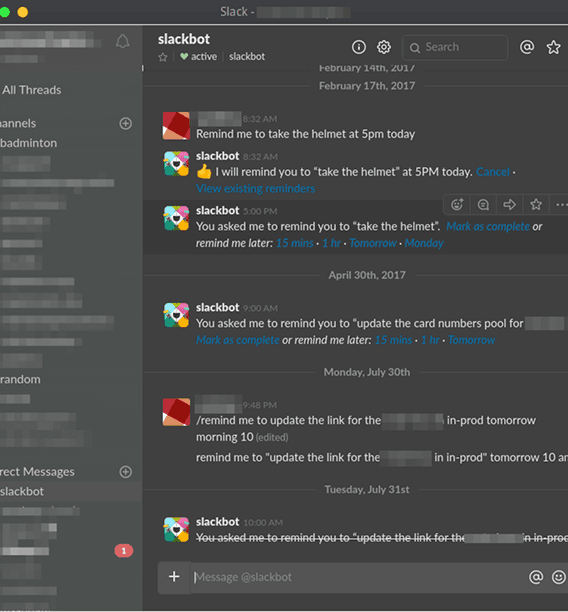
Slack messages answered


The stats behind the screens
312
Sticky notes rearranged in Figjam


12
"final_final_v2" files created
92.5
92.5
Coffees made to get through the sprint


∞
Slack messages answered
The stats behind the screens
312
Sticky notes rearranged in Figjam


12
"final_final_v2" files created
92.5
Coffees made to get through the sprint


∞
Slack messages answered