
At a Glance
Problem: Design decisions often stall when requirements are unclear, stakeholders disagree, or constraints conflict.
Role: Senior UX Designer, responsible for making and guiding decisions under ambiguity.
Scope: Decision making, tradeoffs, collaboration, and alignment across complex products and internal systems.
Outcome: A clear set of principles that help teams move forward responsibly when the right answer isn’t obvious.
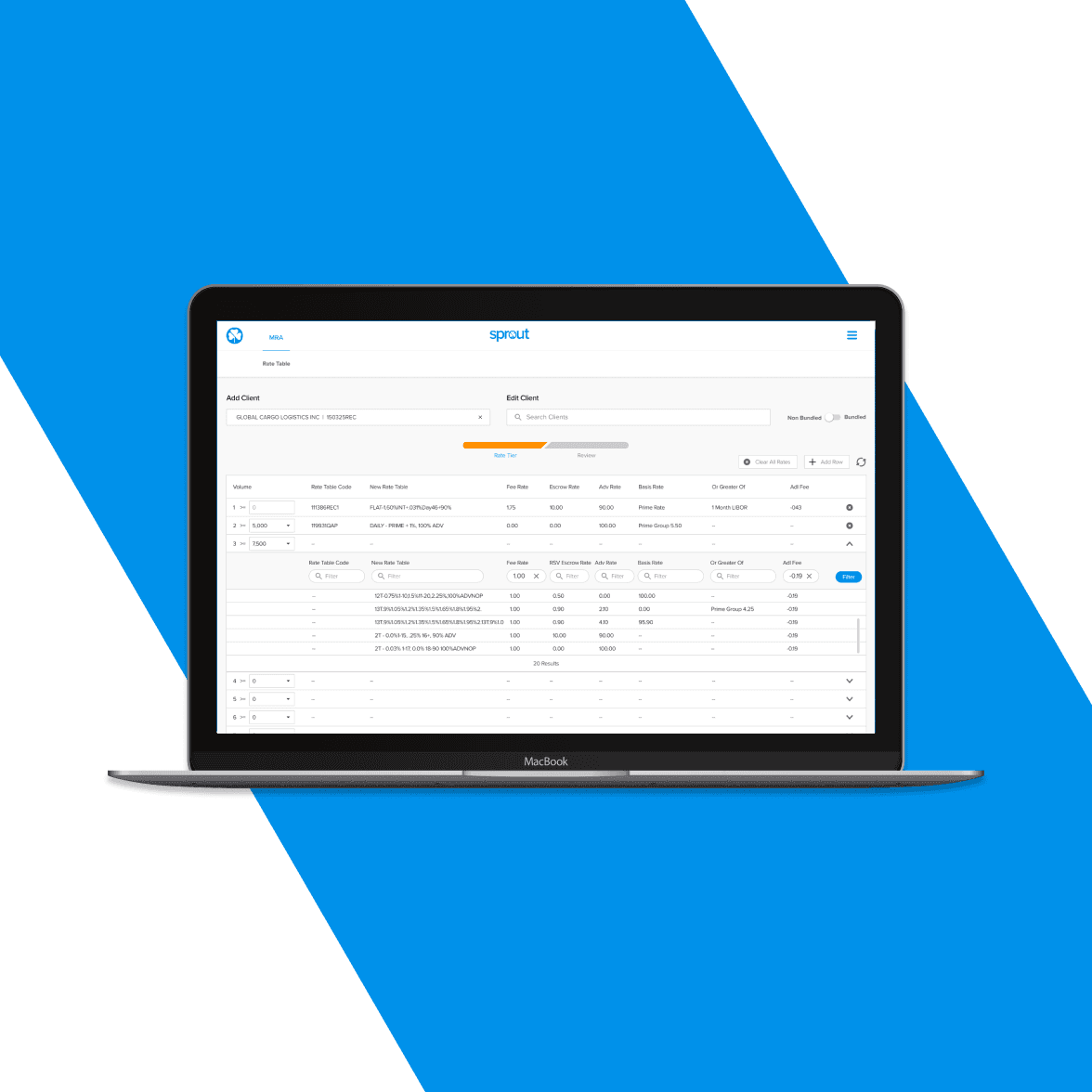
Why This System Mattered
Monthly rate adjustments were a core part of the business, but the system supporting them hadn’t kept pace with scale.
As volume increased, updates became harder to manage, errors were more costly, and operational risk grew. What had once been manageable became a bottleneck.
When the Tools Became the Bottleneck
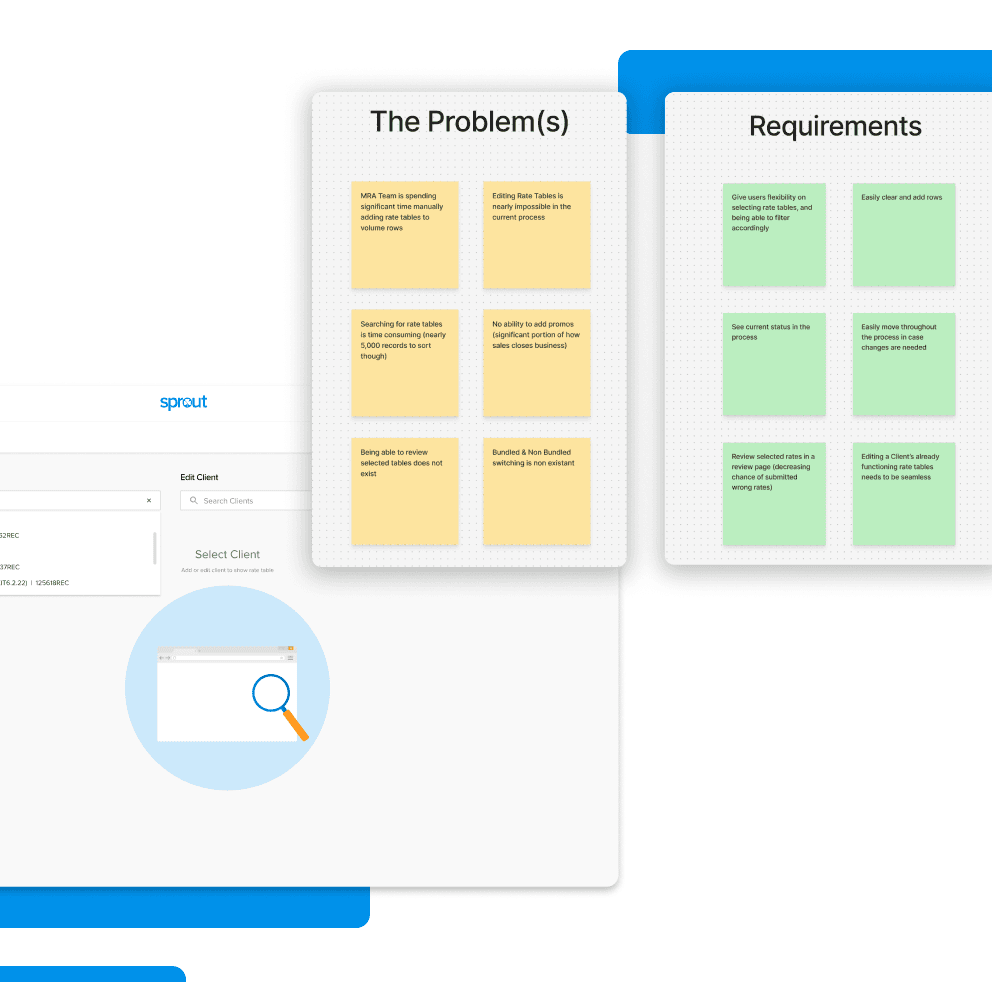
The system technically worked, but only through workarounds and institutional knowledge.
There was no easy way to track rate changes, support historical pricing, or validate complex adjustments. As a result, updates were slow, fragile, and increasingly risky.
What the System Needed to Do
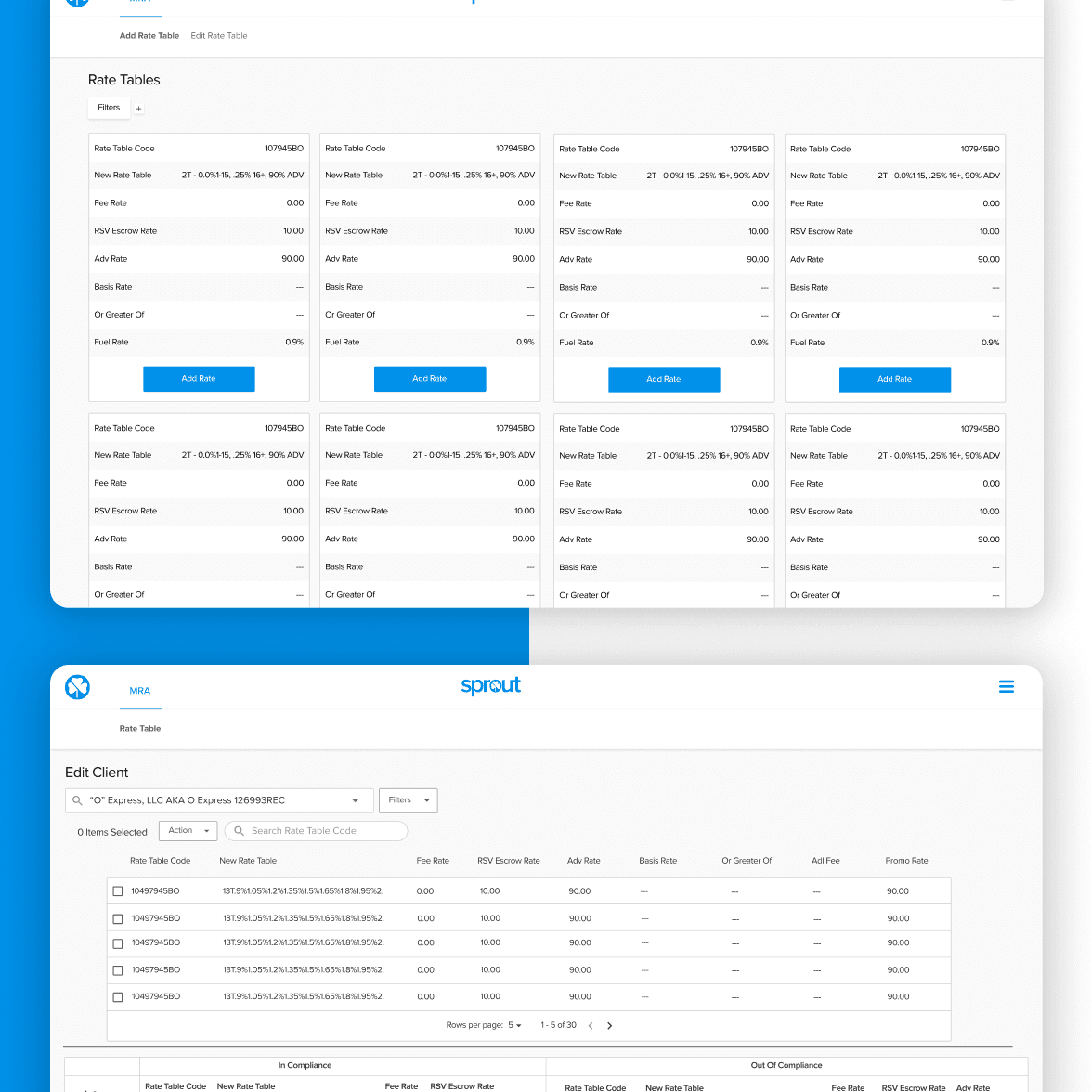
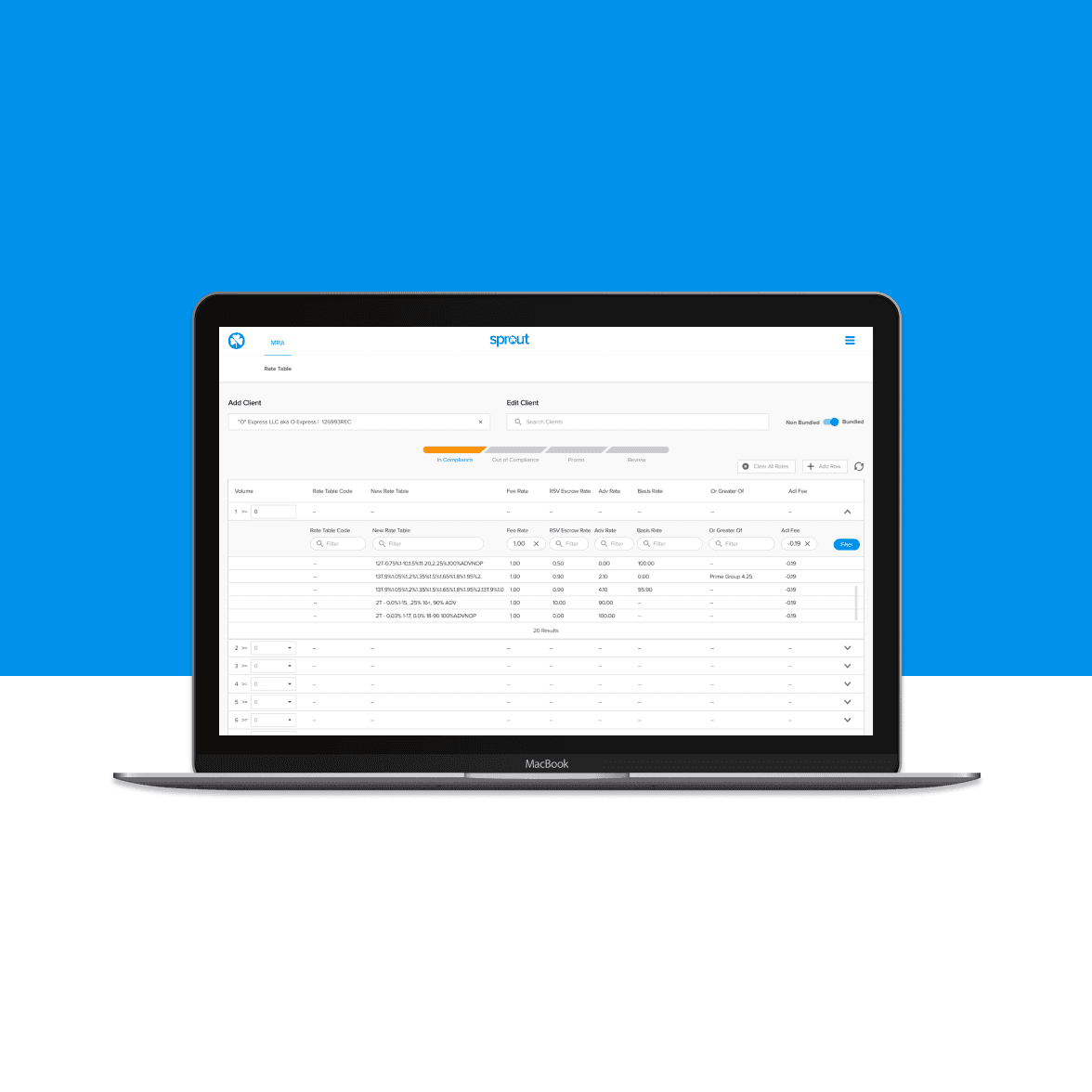
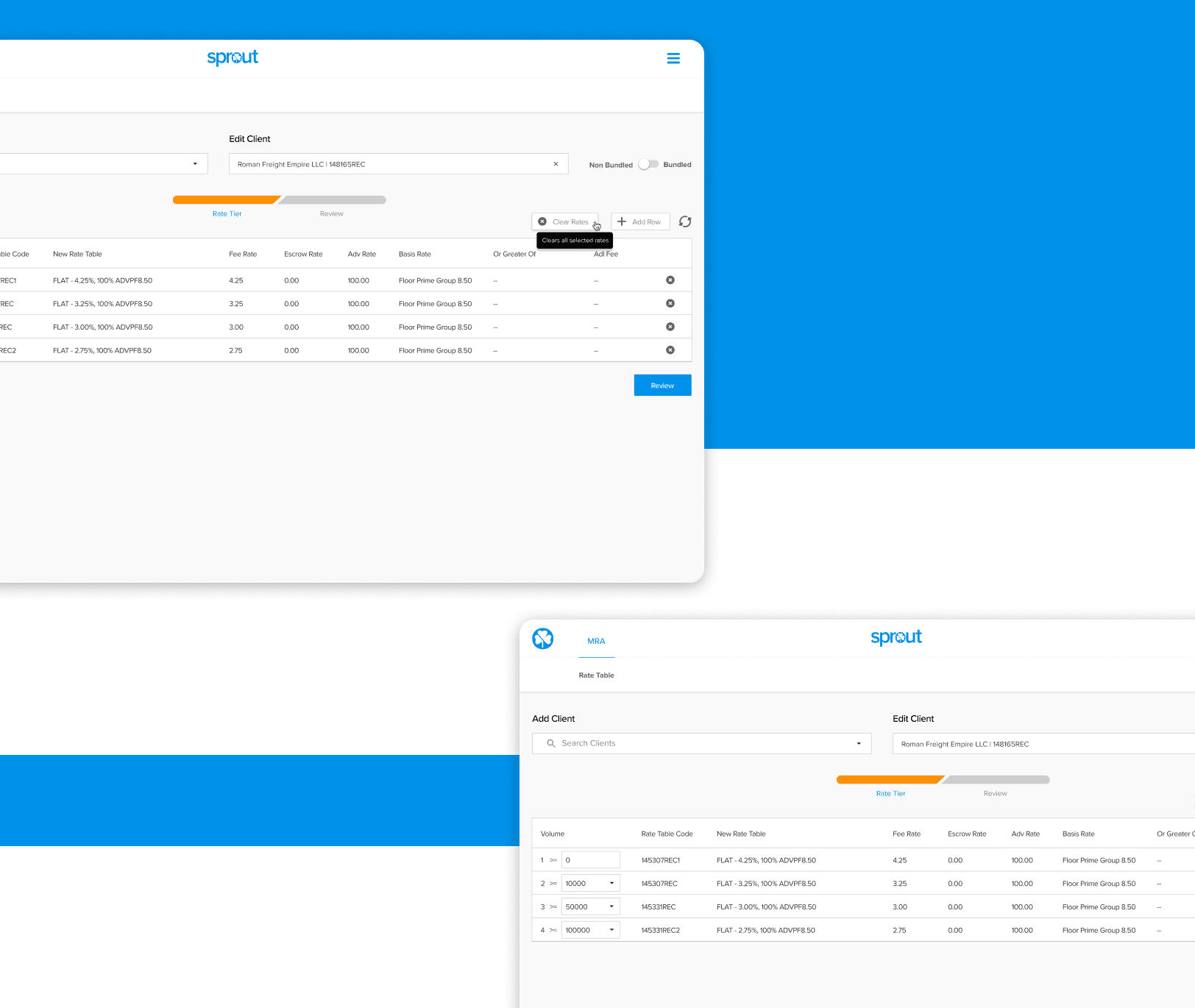
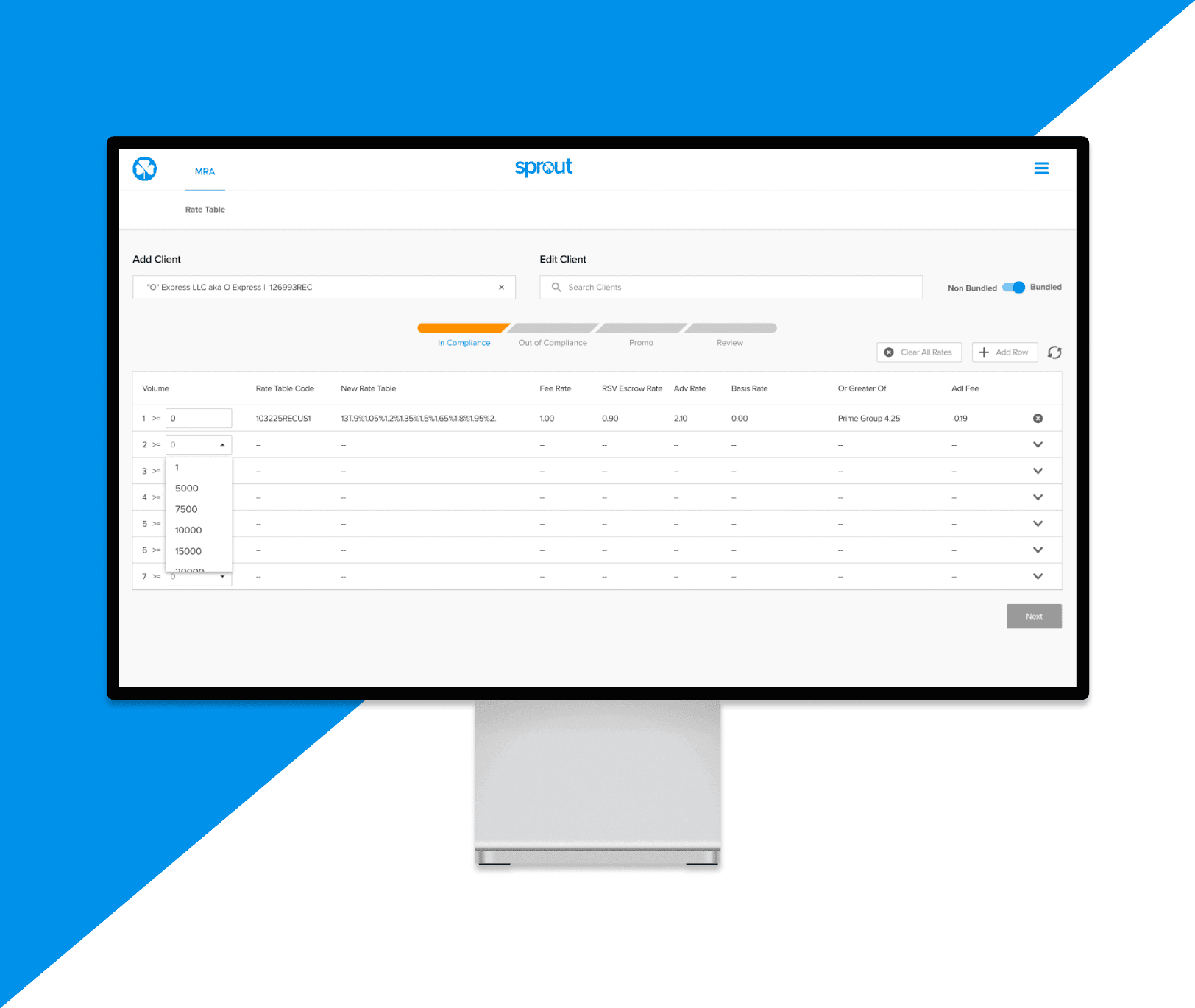
Users needed to manage thousands of rate tables quickly and confidently. Editing, filtering, and flexibility were critical to making that possible.
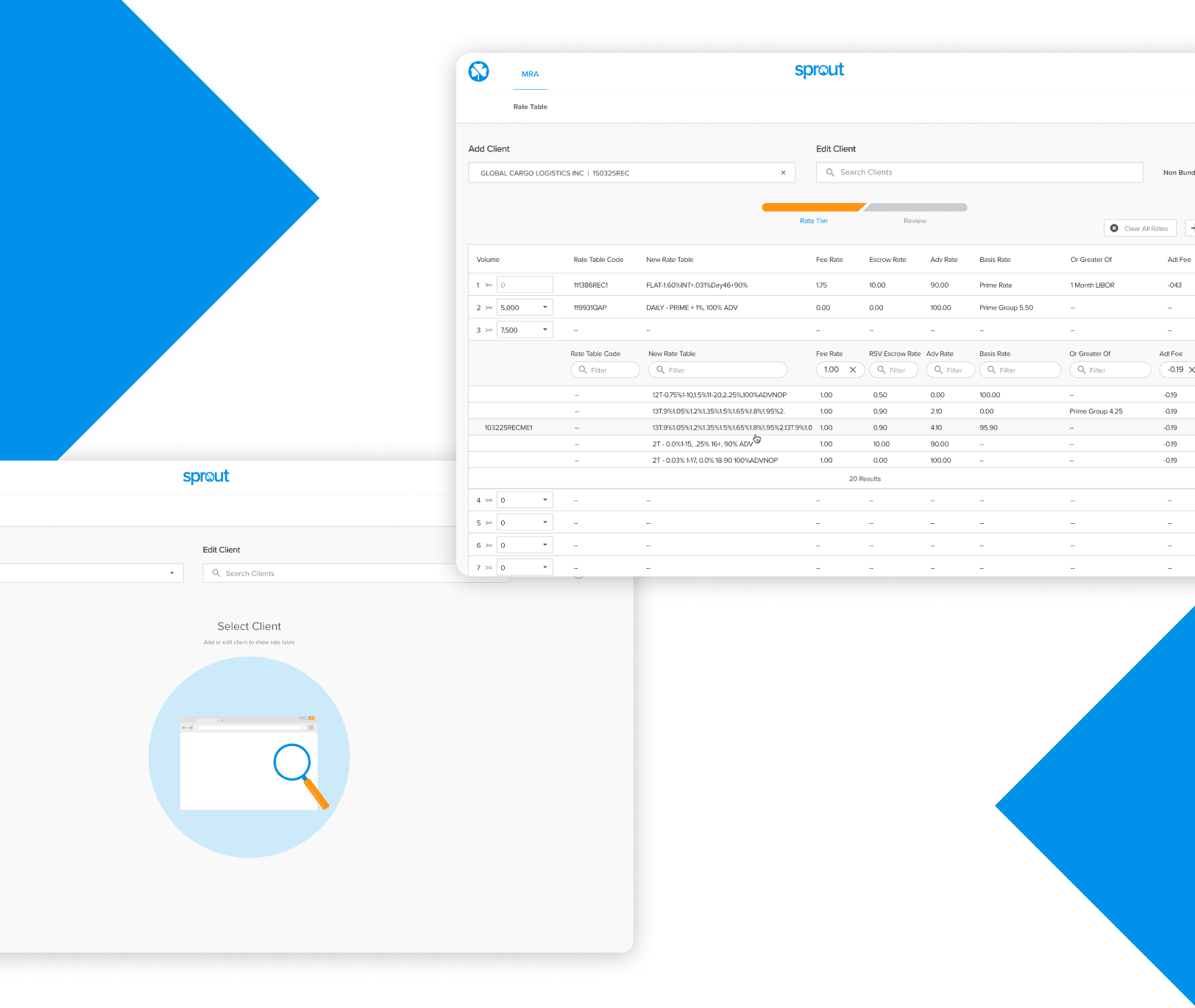
Understanding How the Work Actually Happens
I spent time with the team to understand how they actually manage rates day to day. Their workflow wasn’t linear, and the system needed to reflect that.
Updates became faster and more reliable, giving the team confidence in a high-impact system. The workflow now scales with the business instead of slowing it down.
75%
200+
0 Hours
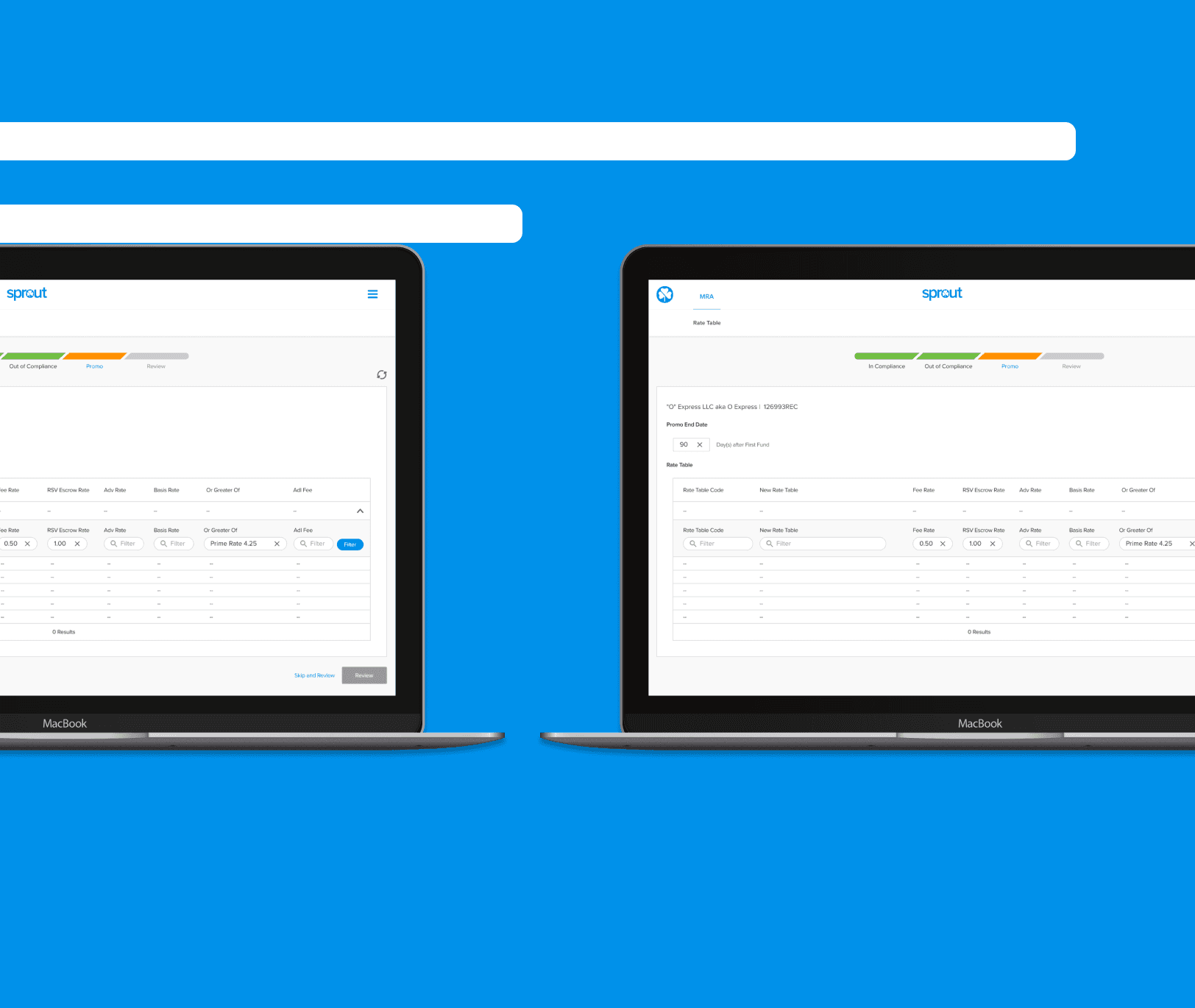
Real-World Impact
The system significantly reduced time spent on monthly updates and removed several manual processes entirely. It became a reliable foundation for how the business manages pricing.
What This Project Reinforced
Designing for complex systems starts with understanding how work actually happens. Clear structure makes even dense workflows usable at scale.
Design Considerations
Balancing Flexibility with Control