Role

Role

Senior User Experience Designer

Senior User Experience Designer

Timeline

Timeline

2024-Present

2024-Present

Tools

Tools

Figma, Lucid, Jira, Glassbox

Figma, Lucid, Jira, Glassbox

Context

Digital Onboarding was the largest initiative planned for late 2024 into 2025, with continued implementation into 2026, and executive visibility extending up to the CEO.

At the time, prospective customers could not initiate an application independently. Every onboarding flow required direct involvement from a sales representative, who manually completed the application over the phone. Users could not download the app, create an account, or begin the process on their own.

This created multiple points of failure:

  • Prospects dropped before reaching sales

  • Sales reps spent hours on administrative work

  • Existing users of other services had no clear path to activate the core product

The system technically worked, though this only happened when everything aligned perfectly.

Goal

The goal was to create a self-serve onboarding experience that allowed users to begin an application the moment they encountered our app or online presence.

This would reduce manual sales effort, allow sales teams to send application links instead of filling forms live, and let users complete onboarding on their own time. Success meant users could discover the product, apply, and be evaluated without unnecessary friction.

Role & Scope

I led UX and UI design for the mobile onboarding experience end-to-end.

My scope included auditing the existing legal application, defining a new flow, designing wireframes and UI, partnering with product, legal, and engineering, supporting QA during development, and iterating post-launch using BI data and session replays.

Constraints & Early Decisions

The largest early challenge was the application itself.

The existing legal form had grown over time and included outdated, redundant, or prematurely detailed questions. Working with stakeholders, we reviewed every field and identified what was truly required upfront versus what could be deferred.

Roughly 20% of the original questions were removed, immediately reducing application size.

Additional constraints included:

  • Conflicting requests around wording and ordering

  • Requirements that initially bordered on dark patterns but were later reframed as preferences

  • A multi-user model where primary applicants could add secondary users, each requiring their own application

This introduced branching workflows that needed to feel like a single experience.


Results

Results

Once the experience was live, the impact showed up quickly and the results were immeidate.
$60,000

$60,000

$60,000

$60,000

Estimated savings per month in sales labor

Estimated savings per month in sales labor

Estimated savings per month in sales labor

Estimated savings per month in sales labor

$3M+

$3M+

$3M+

$3M+

total application volume

total application volume

total application volume

total application volume

30

Minutes

30

Minutes

30

Minutes

Average completion time dropped to under

Average completion time dropped to under

Average completion time dropped to under

Average completion time dropped to under

98%

98%

98%

98%

increase in organic applications from existing app users

increase in organic applications from existing app users

increase in organic applications from existing app users

increase in organic applications from existing app users

Designing the Flow

Designing the Flow

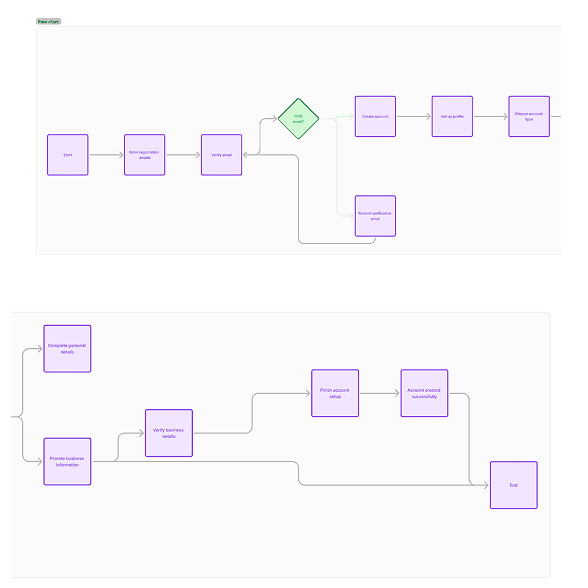
The first priority was structure. The application needed to support a long sequence of questions without feeling fragile or overwhelming. I focused on defining a clear, end-to-end flow that could evolve over time, rather than locking the experience into a rigid sequence too early. This made it easier to adjust pages and questions later without disrupting the entire application.

The first priority was structure. The application needed to support a long sequence of questions without feeling fragile or overwhelming. I focused on defining a clear, end-to-end flow that could evolve over time, rather than locking the experience into a rigid sequence too early. This made it easier to adjust pages and questions later without disrupting the entire application.

A durable flow designed to support iteration without rework
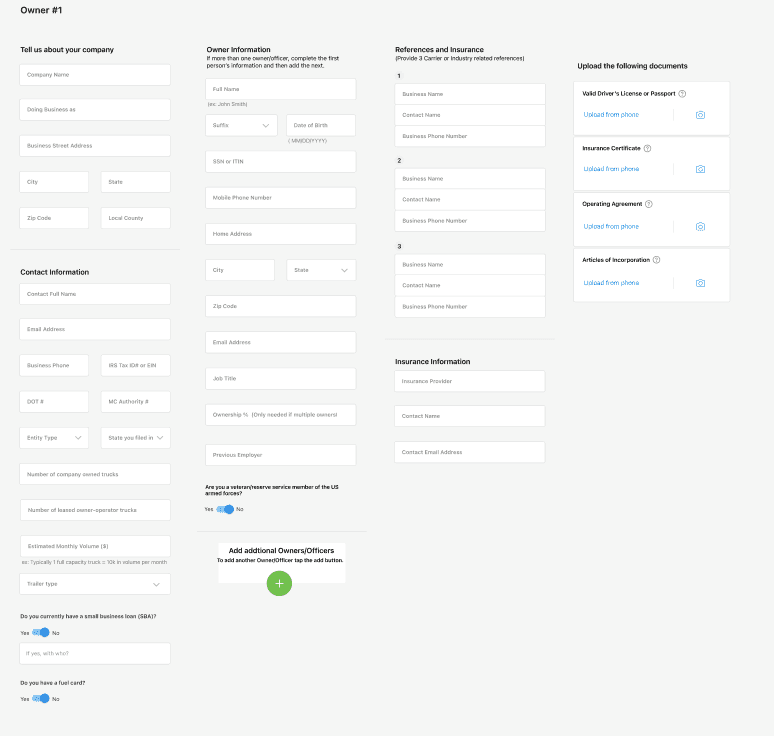
Structure and spacing are used to reduce perceived effort across a long form.

Structure and spacing are used to reduce perceived effort across a long form.

Wireframes & Interaction Design

Wireframes & Interaction Design

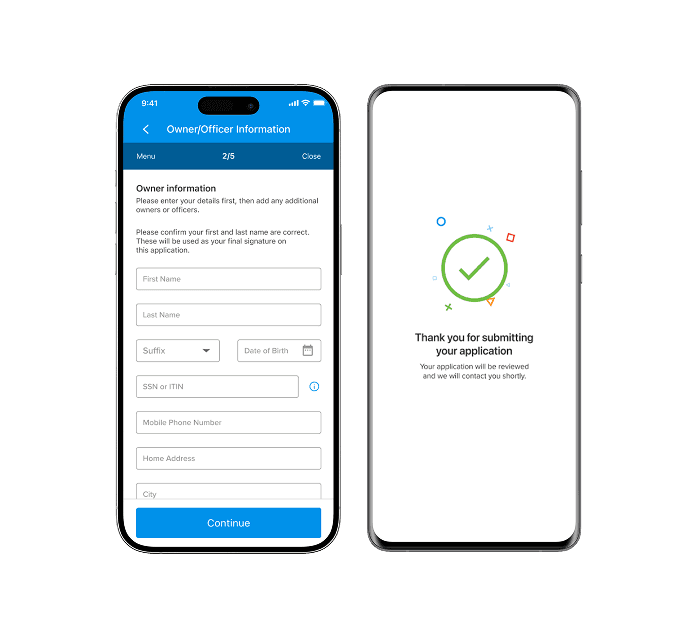
Wireframes focused on reducing cognitive load. Inputs were grouped intentionally, spacing was used to prevent a dense, form-heavy feel, and progress indicators helped users understand where they were and how much remained. I also flagged areas likely to cause hesitation so they could be evaluated and refined using real usage data after launch.

Wireframes focused on reducing cognitive load. Inputs were grouped intentionally, spacing was used to prevent a dense, form-heavy feel, and progress indicators helped users understand where they were and how much remained. I also flagged areas likely to cause hesitation so they could be evaluated and refined using real usage data after launch.

Visual Design

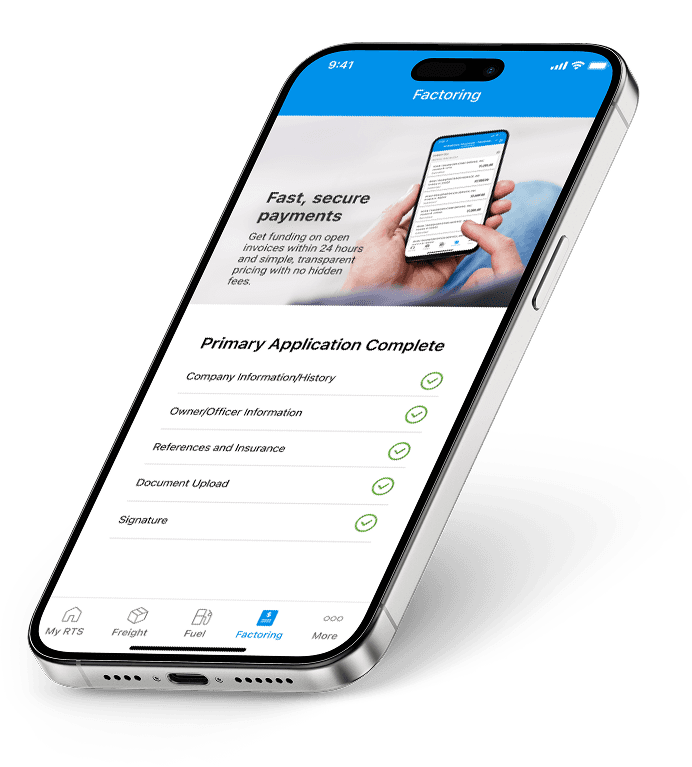
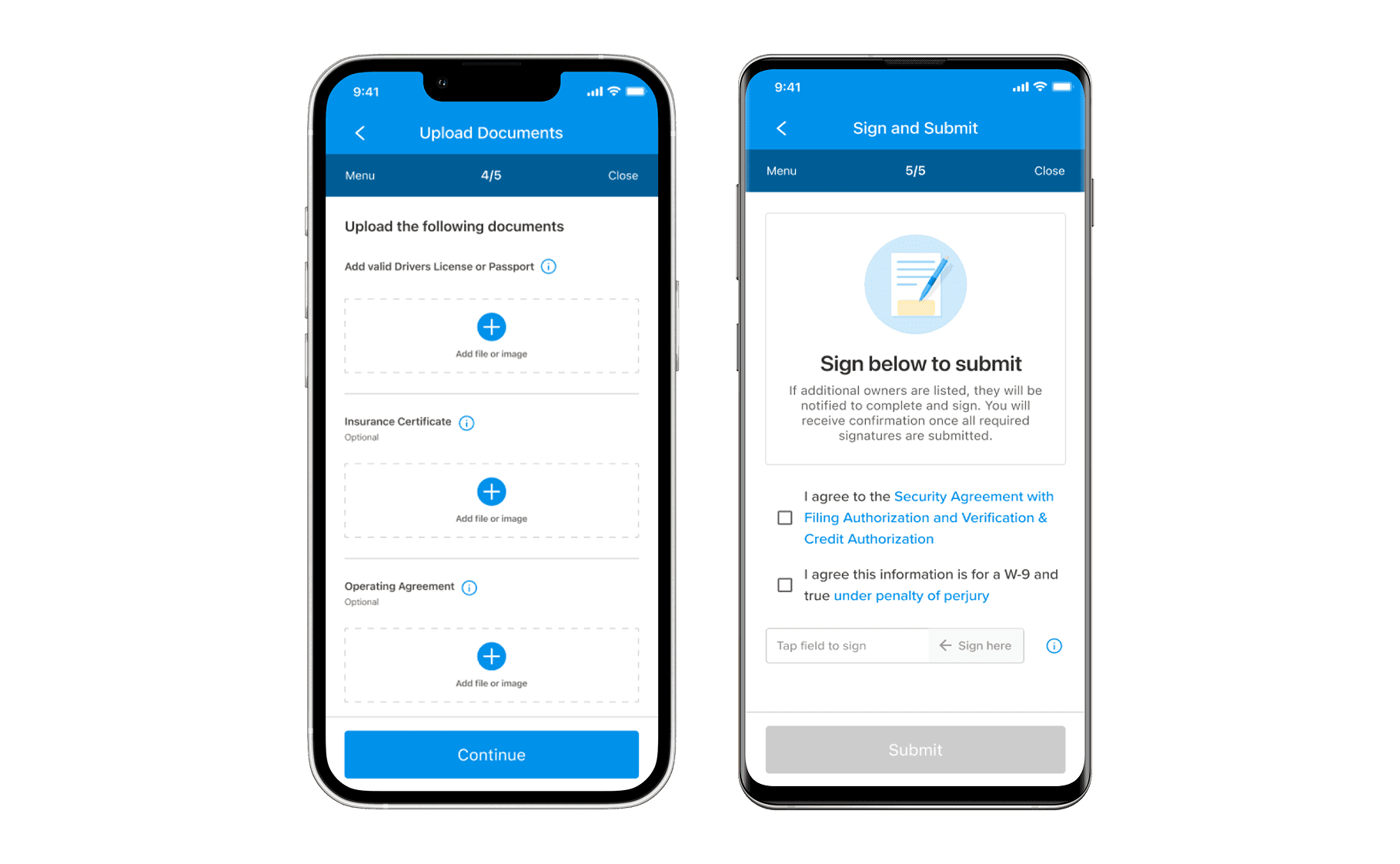
Once the structure was validated, the interface was brought into full UI. The goal was to modernize the experience while preserving familiarity with the rest of the application. Updated components and layouts were introduced carefully, prioritizing clarity and momentum over visual novelty.

Visual Design

Once the structure was validated, the interface was brought into full UI. The goal was to modernize the experience while preserving familiarity with the rest of the application. Updated components and layouts were introduced carefully, prioritizing clarity and momentum over visual novelty.

A refreshed interface that balanced clarity with brand continuity.

Build, QA, and Launch

During development, I served as one of two QA reviewers.

This involved testing across permission levels, validating error states, verifying keyboard behaviors, and catching visual inconsistencies before release. Once live, we monitored behavior through BI dashboards and session replays to identify friction points.

What’s Next

Upcoming phases include a web-based version that allows sales reps to send custom application links, eliminating the need to download the app. Additional work includes pre-filled fields using public data and deeper integration into a new payout workflow.

This project positioned me to continue leading some of the most impactful initiatives across the company.

Reflections & Impact
Early Signals

The impact showed up quickly once the application went live. Without any marketing push, we saw a sharp increase in organic applications from users who were already active in other parts of the app but had never signed up for this service. That confirmed the core assumption behind the work: access, not interest was the primary blocker. It also validated the decision to focus on self-serve first, rather than incremental improvements to a sales-led process.

Early Signals

The impact showed up quickly once the application went live. Without any marketing push, we saw a sharp increase in organic applications from users who were already active in other parts of the app but had never signed up for this service. That confirmed the core assumption behind the work: access, not interest was the primary blocker. It also validated the decision to focus on self-serve first, rather than incremental improvements to a sales-led process.

Early Signals

Designing for Change, Not Finality

Designing for Change, Not Finality

Designing for Change, Not Finality

Balancing Business Pressure and User Trust

Balancing Business Pressure and User Trust

Balancing Business Pressure and User Trust

Progress indicators and clear sectioning helped users understand where they were and what remained.
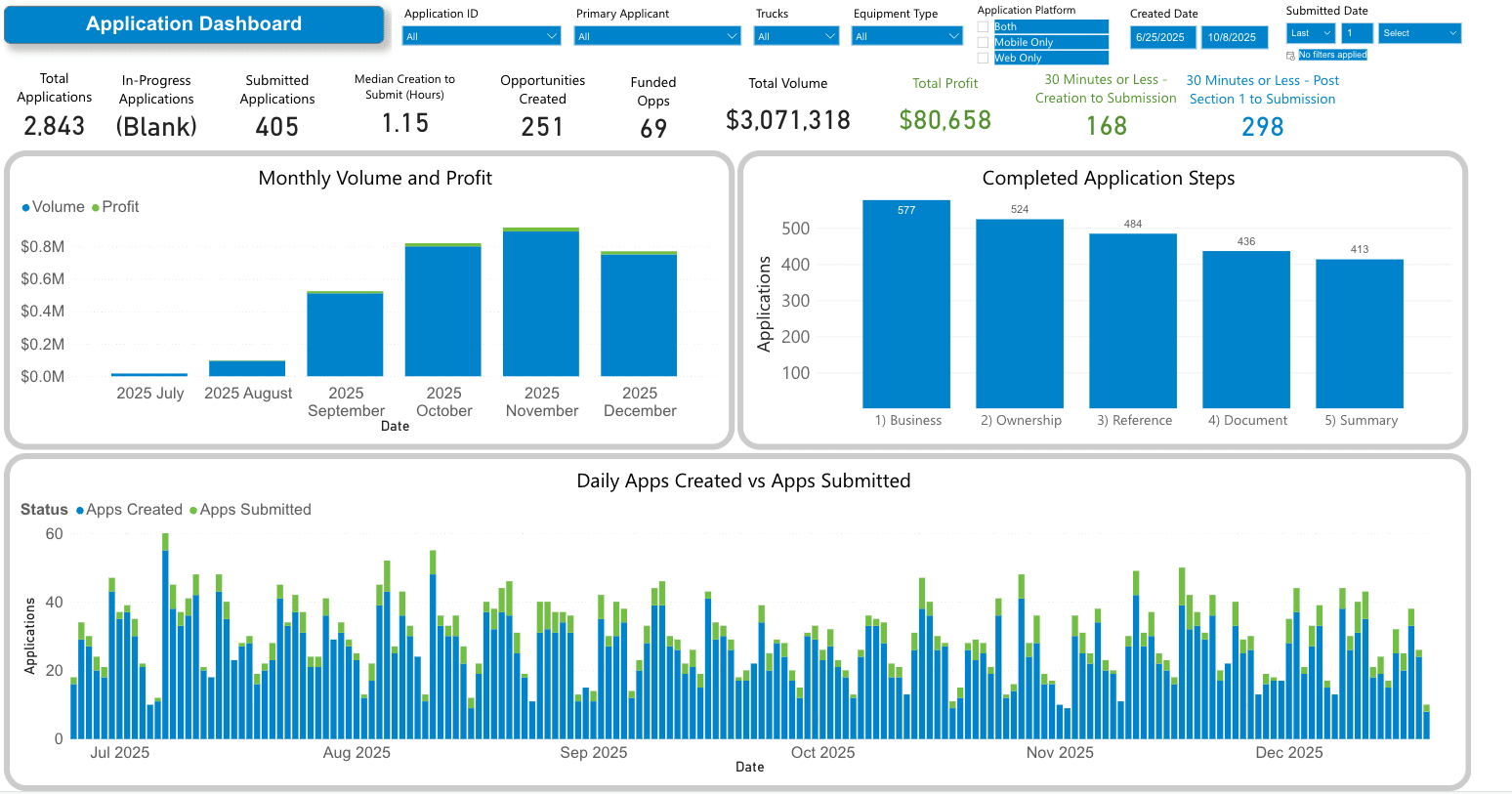

Behavioral data validated early assumptions and guided post-launch refinements.
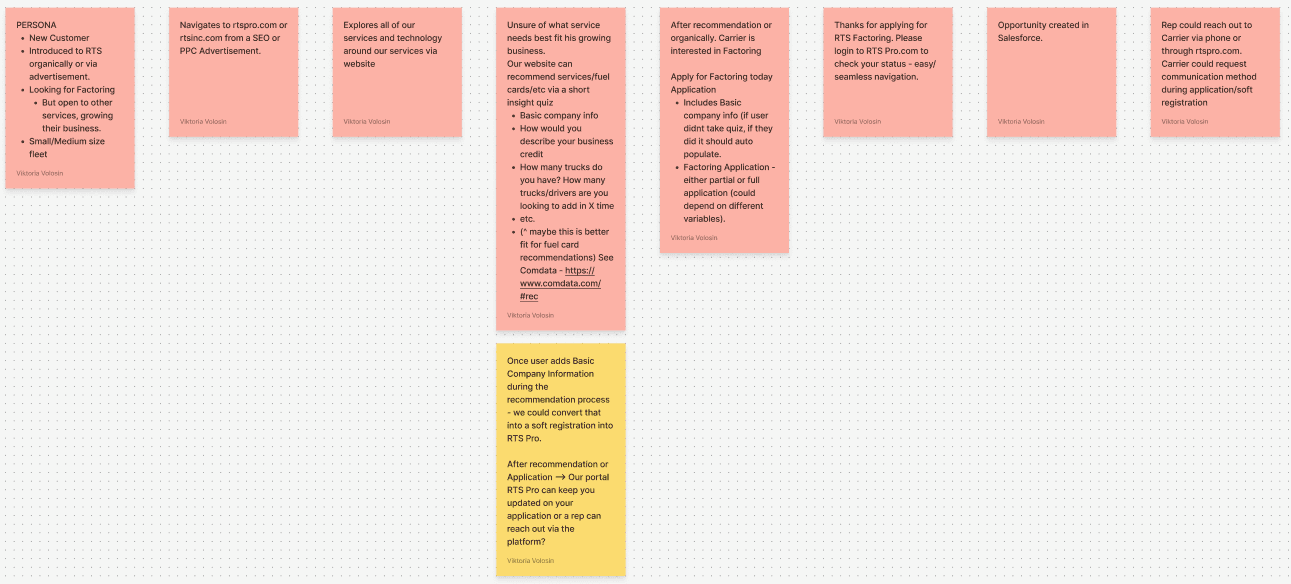
Questions were evaluated, reduced, or deferred to keep the initial application focused.
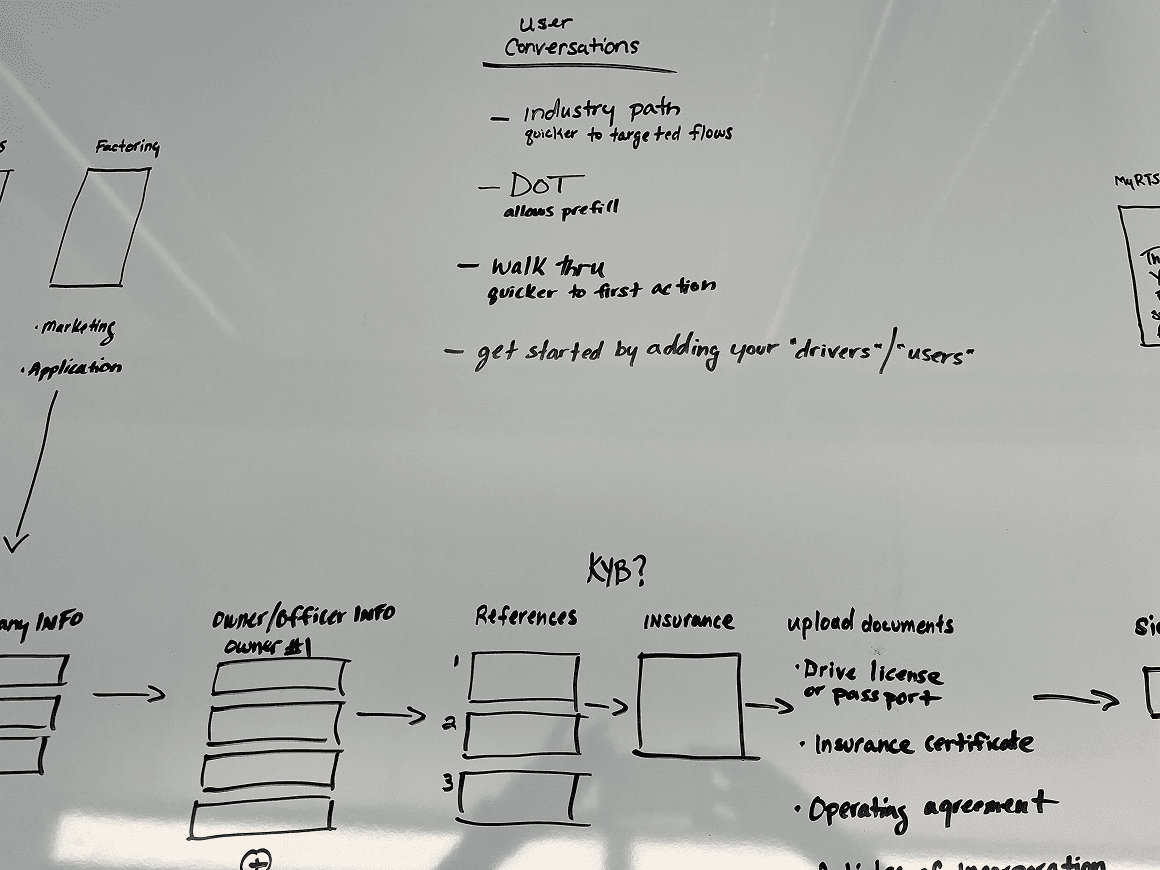

Early sketches explored structure and sequencing before committing to layout or UI.